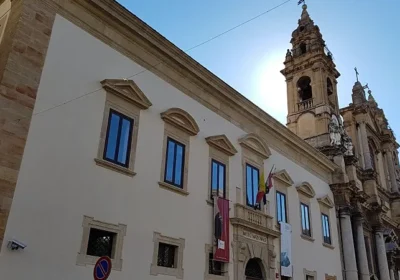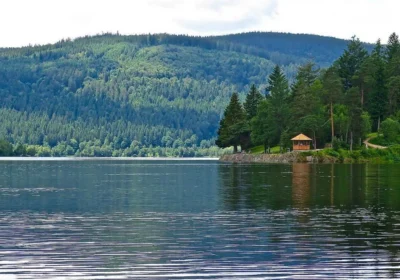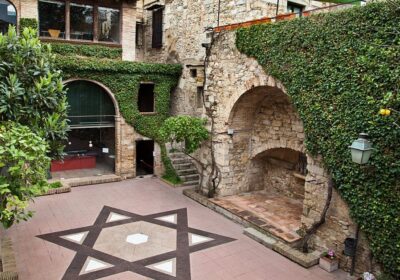







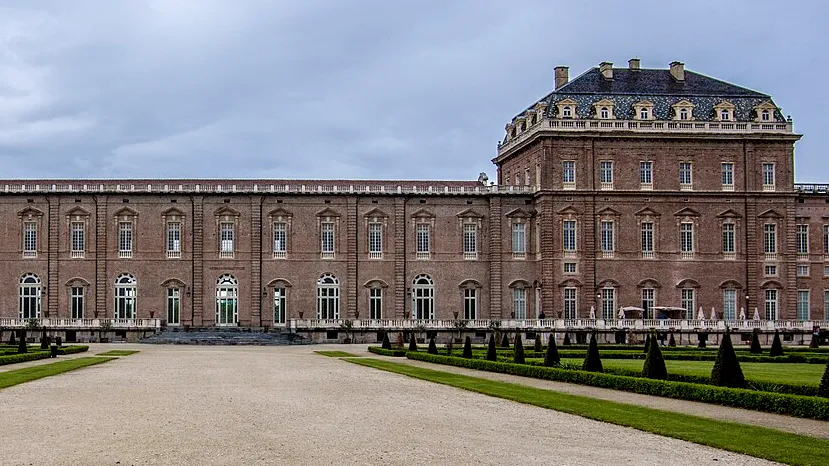
The Reggia di Venaria palace and park complex is located 10 km from Turin and is included in the list of Savoy royal residences – a UNESCO World Heritage site. A contemporary of the French Versailles, reopened in 2007 after a grand restoration, it ranks 6th in attendance among museums in Italy.
The Royal Palace of Reggia di Venaria is a unique monument of history, architecture, and landscape design in Italy and is notable among the largest palace complexes in the world.
Turin is considered one of the largest and most beautiful cities in northern Italy, with a history that dates back to its first mention in the 3rd century BC.
The Royal Palace of Venaria is one of the main residences of the Savoy dynasty in Piedmont. The site for its construction was chosen along the ancient settlement of Venaria. The views of the Alpine mountains, the proximity of rich game forests, and the mesmerizing sight of spacious fields determined the choice of architects.
The construction of the palace and park complex began during the reign of Duke of Savoy Charles Emmanuel II in 1658 and lasted for 21 years. For the design and construction of the complex, the duke enlisted court masters Carlo di Castellmonte and Amedeo di Castellmonte. Subsequently, starting in 1699, by order of Charles Emmanuel II’s son Victor Amadeus II, architect Michelangelo Garove contributed to the alteration of the palace project. The garden, originally laid out in the Italian style, took on the outlines and layout of a French garden.
At that time, France still dictated its taste in fashion and architecture to Europe. The lavish ceremonial residence of the French kings in Versailles was an object of desire and imitation for Italian rulers. The constructed palace complex in the Baroque style was no less than the French creation and rightfully earned the second name “Italian Versailles.”
In the first half of the 17th century, subsequent representatives of the Savoy dynasty continued the construction and improvement of the palace complex: new halls and galleries were built, valuable works of art were acquired, and the landscape of the territory was constantly updated with new projects.
The decline of the palace complex began in 1706 with the invasion of French armies into Italy. The northern lands of Italy were repeatedly subjected to annexation by the French Empire. Napoleon’s military campaigns in Italy, which lasted until 1814, inflicted irreparable damage to the Venaria Palace.
After Napoleon’s expulsion, the Royal Palace remained under the control of the Italian military until 1978, when the Ministry of Culture of Italy purchased it. Restoration work on the palace complex began in 1998, and the main part was completed in 2007 with a grand opening.
Open every day except Monday, December 24-25, January 1, and May 1.