






At the mere mention of Gascony, almost every Russian envisions the image of D’Artagnan. And this is not accidental. The desire for glory, pride in their homeland, and the truly Gascon temperament distinguish the inhabitants of Gascony from those of other provinces.
The main attraction of the city of Auch, the capital of the Gascon department of Gers, is the bronze statue of D’Artagnan, which has turned green with age, standing in the middle of the stone staircase that descends from the Cathedral of Saint Mary to the Gers River. Proud posture, direct gaze, hand on the hilt of the sword, wide-brimmed hat tilted, sash, high boots, and a long cloak. This is how boys around the world have seen themselves in adventurous dreams for a century and a half. And they will continue to see it for many more centuries.
Gascony can confidently be called the center of wine and gastronomic tourism. Magnificent Armagnac is produced here on a very limited area, about 14 thousand hectares of vineyards. Being a strong alcoholic beverage, this special technological product is older than cognac. There are written records that it was produced as early as the beginning of the 14th century.
The great global fame of cognac is simply explained by specialists: the Charente River, which gave its name to the entire production area, provided very convenient access to the Atlantic coast, which was a significant advantage in trade several centuries ago. Special barges with cognac barrels on board quickly delivered the strong product to the seaport of La Rochelle. Gascon producers of Armagnac did not have such an opportunity. However, they approached this situation philosophically: it is believed that the French produce cognac for the whole world, while Armagnac is for themselves.
It is known that foie gras (foie gras – “fat liver”) is goose or duck liver, the pride of French gastronomy. The main area of its traditional production is Gascony. To obtain a larger precious liver (which can weigh up to a kilogram!), the birds are kept on a special diet. The most famous restaurants in Paris offer their visitors dishes made from Gascon foie gras.
It should be noted that not only the delicacy liver is valued among Gascon geese and ducks. The bird meat here is wonderfully smoked, fried, steamed, and baked. Locals particularly respect the so-called “carcasse” (carcasse), that is, the goose backbone with remnants of meat on the bones. Frankly speaking, there is not much to eat there, but in this case, the ritual is interesting: Gascons love to grill these bones, and producers of bird meat and liver happily sell them such “carcasses” in unmeasured quantities.
For dessert, it is customary to order the apple pie “croustade” (croustade), that is, “crispy”. Slices of apples, previously soaked in Armagnac, are hidden under layers of the thinnest dough, as thin as cigarette paper, and you have to see how experienced artisans manually lay these weightless petals in the pie form.
Gascony (Gascogne) is an ancient historical region of France, part of Occitania. It got its name from the Basques (Latin vasconi, hence Vasconia, later French Gascogne), who moved here in the 6th century from the southern slopes of the Pyrenees, pursued by the Visigoths.
In 602, after fierce resistance, it was conquered by the Franks and has since been governed by the Dukes of Aquitaine. In 768, Charlemagne granted Gascony as a fief to Loup II (a fief is a landholding granted by a feudal lord to a vassal under certain obligations), whose heirs subsequently often opposed Charlemagne and his descendants.
In 872, Gascony separated from France and elected one of the descendants of Loup I as duke. In 1039, when the Duke of Gascony became the Duke of Aquitaine, Gascony became part of the large Aquitanian state, whose fate it shared: from 1154 to 1451 it belonged to England, then passed to France.
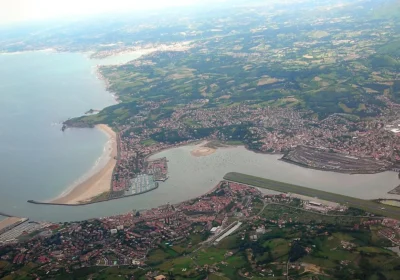
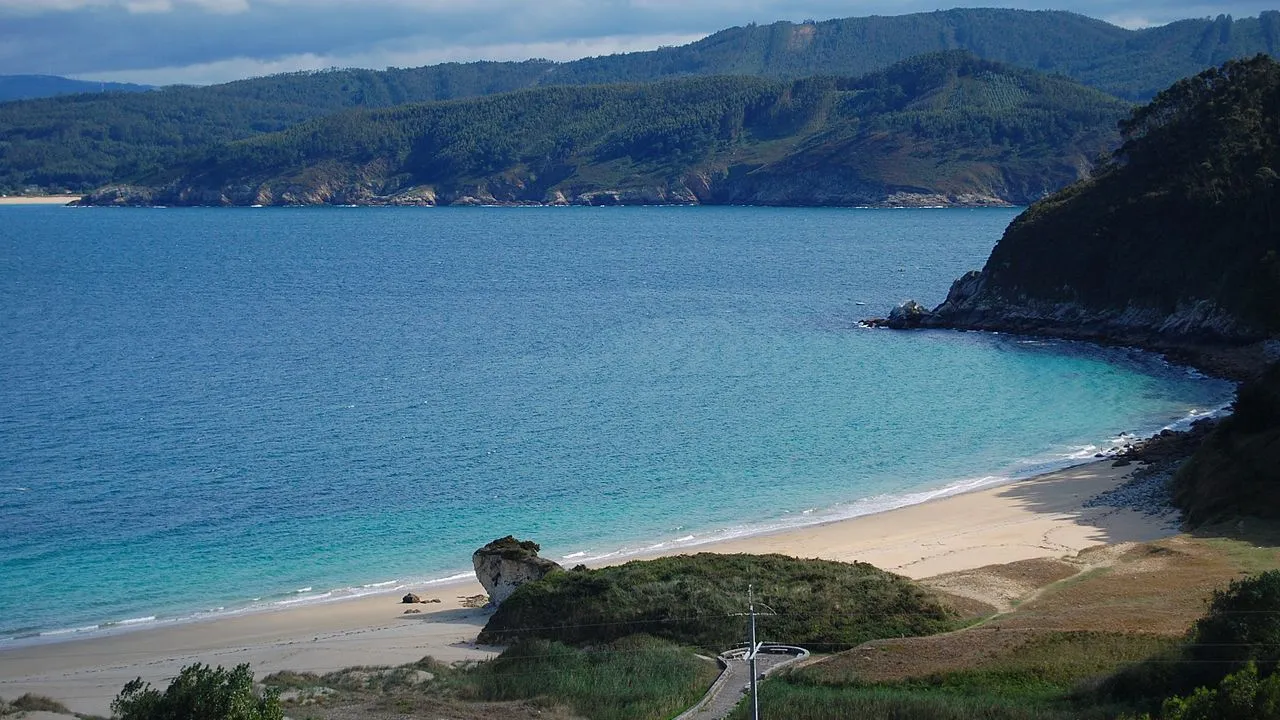
If you drive down the coast, you can travel through all of Gascony along the road that runs along the ocean shore, occasionally diving into the shade of pine forests, and enjoy the views of endless deserted ocean beaches that will be on your right, while numerous lakes will stretch on your left.
The road passes through small towns where you can buy real Armagnac and fresh fruits, the taste of which cannot be compared to those sold in supermarkets. Only among the shelves of the markets do you understand why a tomato is considered a berry! On the lakes are small campsites, recreation areas, and equipped fishing spots. And the fish there splashes, jumps out of the water, and teases the fishermen.
Beautiful French towns with cathedrals, cozy squares, delicious restaurants, and picturesque corners complete the picture of this almost paradise province…