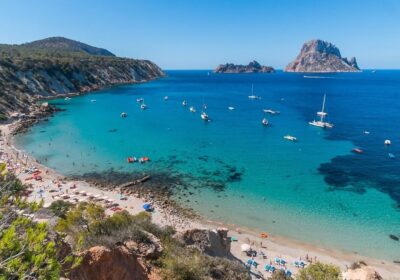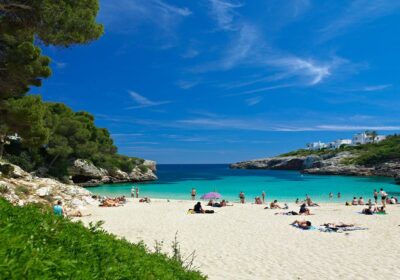

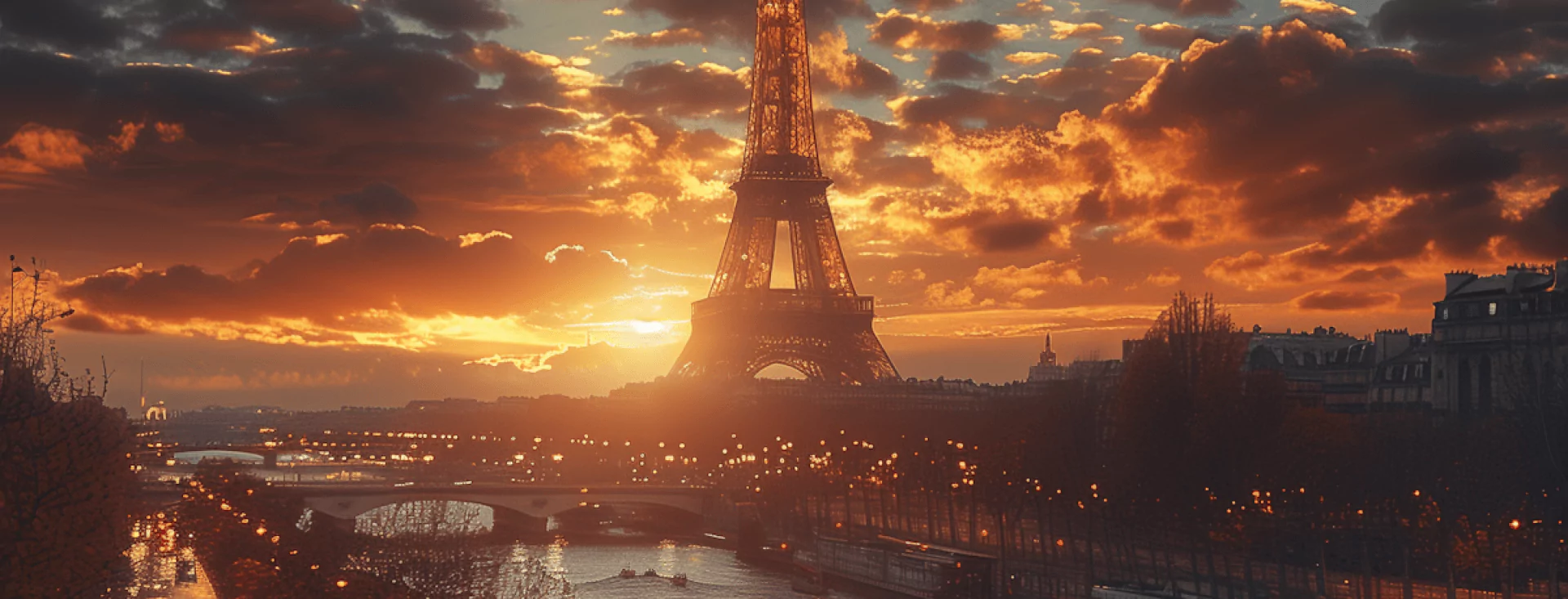







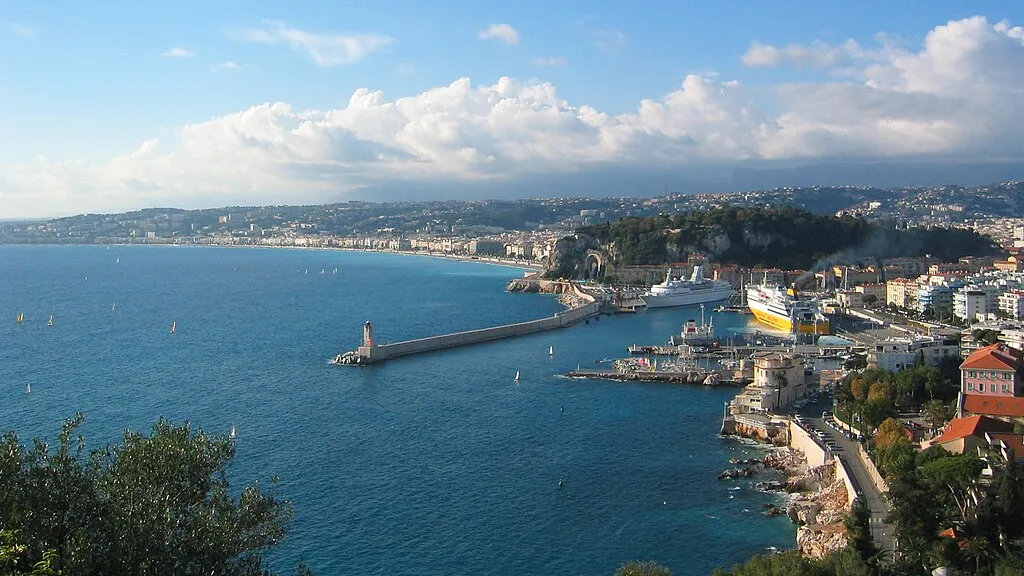
The queen of the French Riviera, the 5th largest city in France – Nice, was founded in 250 BC by Greeks from Marseille. This small settlement was taken by Caesar from Pompey. Starting from the 1st century AD, it became part of one of the Roman provinces. Until the end of antiquity, it depended on Marseille.
In the Middle Ages, the city fought for independence against the Counts of Provence but yielded to them. In the 12th century, the city had 3,000 inhabitants. From the late 14th century, it belonged to the House of Savoy. In the 16th century, during the wars of Francis I, who formed an alliance with Suleiman the Magnificent, Nice was captured by the famous commander of Suleiman, Barbarossa.
Nice became French under Napoleon III in 1860. The city’s flourishing is associated with the so-called Belle Époque – a beautiful era. At that time, on the verge of the 20th century, English and Russian aristocrats began to arrive here. The most vivid image of this time is the “Negresco” hotel. Its main hall is adorned with a chandelier – 16,800 Baccarat pendants – gifted by our Russian Empress Maria Feodorovna. There are only two such masterpieces in the world. One is in “Negresco”, the other is in the Catherine Hall of the Kremlin. Each floor of the hotel is dedicated to a separate era of France. There are floors from the era of Louis XIV and Louis XV, and the era of Napoleon III.
The famous endless Promenade des Anglais, Place Massena, the ruins of what was once a large Roman city, Semenelum (1st-4th centuries AD), the unique rose garden, the Franciscan monastery, the residence of Queen Victoria… And also the narrow streets of the old town and the wonderful colors of the flower market (the oldest in the world), the waterfall on the hill near the Bay of Angels, and the most beautiful foreign Russian cathedral. An ancient city of bright colors, exquisite architecture, delicious restaurants, palm trees, and sunshine. And – the perfectly azure, dazzling sky at the edge of the azure, alluring sea…
Many famous names are associated with Nice. In 1807, Giuseppe Garibaldi was born in the city. The infant was baptized in the Church of St. Martin, which was built by Augustinian fathers back in the 16th century. In 1840, Niccolò Paganini contracted cholera in Nice and, according to the official version, died. One of the first Russians to visit here was Gogol. This period coincides with the writer’s work on the rough drafts for the second volume of “Dead Souls”. In 1864, Fyodor Tyutchev, experiencing a tragic period in his life, wrote a famous poem with the lines:
Oh, this South, oh, this Nice!…
Oh, how their brilliance troubles me!
Rimsky-Korsakov began here, in this city, his opera “Ruslan and Lyudmila”… A huge part of Herzen’s life spent in Nice is quite fully described by him in “Bygone Days and Thoughts”. Here he died on January 22, 1870. Next to his grave, on Castle Hill, are buried his children Elena and Alexei, who died of diphtheria at the age of three. Here also found peace the restless soul of his daughter Lisa. The girl committed suicide in Florence at the age of 17. All these children were from Herzen’s relationship with Natalia Ogareva. Chekhov also visited Nice multiple times. Nowadays, his name can be seen on the facades of two hotels in the city: Beau Rivage and Oasis. The latter, by the way, was also where Lenin and Saltykov-Shchedrin stayed…
It is no wonder that Kyukhelbeker wrote: “Nice is the love of nature itself” – everything here is so harmonious, beautiful, and cozy.