






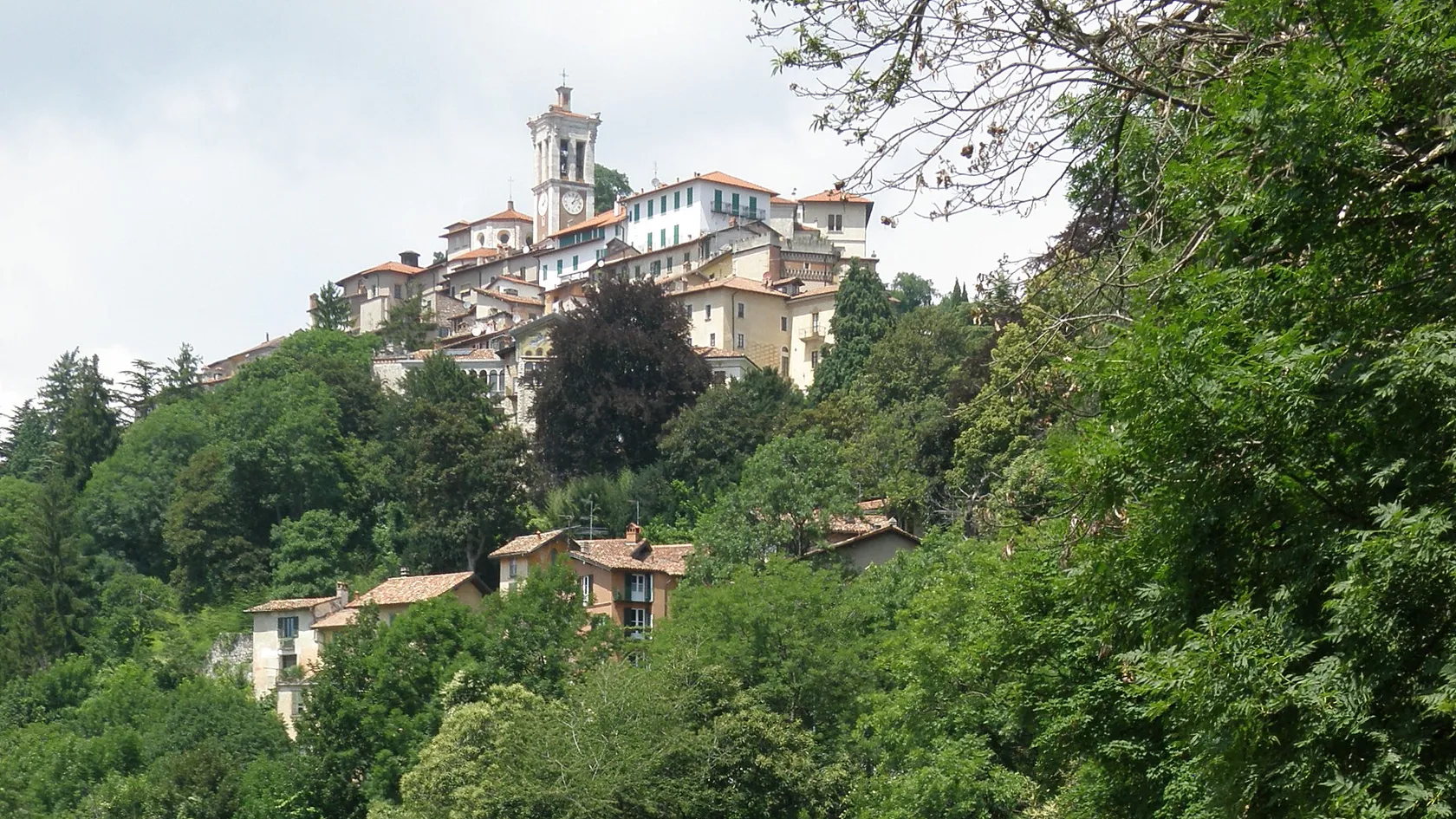
Holy Mountain Varese: Sacro Monte di Varese – a UNESCO World Heritage site.
The Holy Mountains will appear in northern Italy in the 17th century.
Their ideological inspirer, Archbishop Carlo Borromeo, saw in the construction of the Holy Mountains another way to fight the hated Protestants.
We invite you to visit Sacro Monte di Varese, walk the pilgrim’s path, peek into the chapels elegantly located on the mountainside, and enjoy the enchanting nature.
Climbing the mountain is quite difficult, so the best option is to reach the summit of the Holy Mountain by car or funicular, admire the panorama, stroll through the narrow cobbled streets of the upper town, perhaps have a coffee in one of the picturesque bars, and from there start descending the mountain on foot.
Then you will find yourself in the city of Varese, the garden city. This is how the Lombards refer to this city.
Varese is built on seven hills, and there are also seven lakes around the city – both large and very small.
Moreover, Varese is famous as the “garden city”: on the territory under the local municipality, there are many parks and gardens, most of which were once part of villas built between the 18th and early 20th centuries.
They were initially built by aristocrats, and later by large entrepreneurs and representatives of the upper bourgeoisie, predominantly of Milanese origin.
The history and culture of Varese date back to prehistoric times: the first settlements appeared here as early as the 5th millennium BC. Archaeologists have uncovered remains of piles around Lake Lago di Varese, on which, most likely, dwellings were built. The ancient Romans, colonizing this territory, first built a military camp here, and then a city.
Northwest Italy, where Varese is located, is an area that has been the scene of many historical events, which certainly affected the city itself. In the Middle Ages, Varese was an independent city-community, and in 1765 it became the personal property of Duke Francesco III d’Este, at whose behest the Estense Palace was built here.
The city’s centuries-old history is reflected in numerous historical monuments. These are primarily Christian churches and other structures: the church of Santa Maria del Monte and the sacred road leading to it, via Sacra, the Basilica of San Vittore and the baptistery, the church of Sant’Antonio alla Motta, the church of San Giorgio a Biumo. The shores of the lakes and the surrounding areas of Varese are dotted with numerous villas.
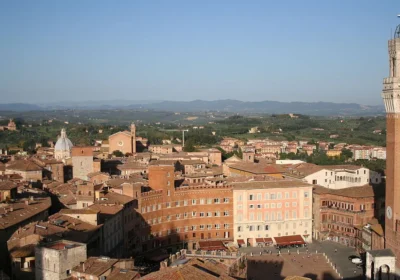
From an urban planning perspective, Varese has one peculiarity: the old town remains a separate element, separated from the suburbs (which are called “castellanze” here). Extensive suburban plots have been occupied since the 18th century by wonderful villas surrounded by green gardens.
You can also indicate the attractions you would like to visit.